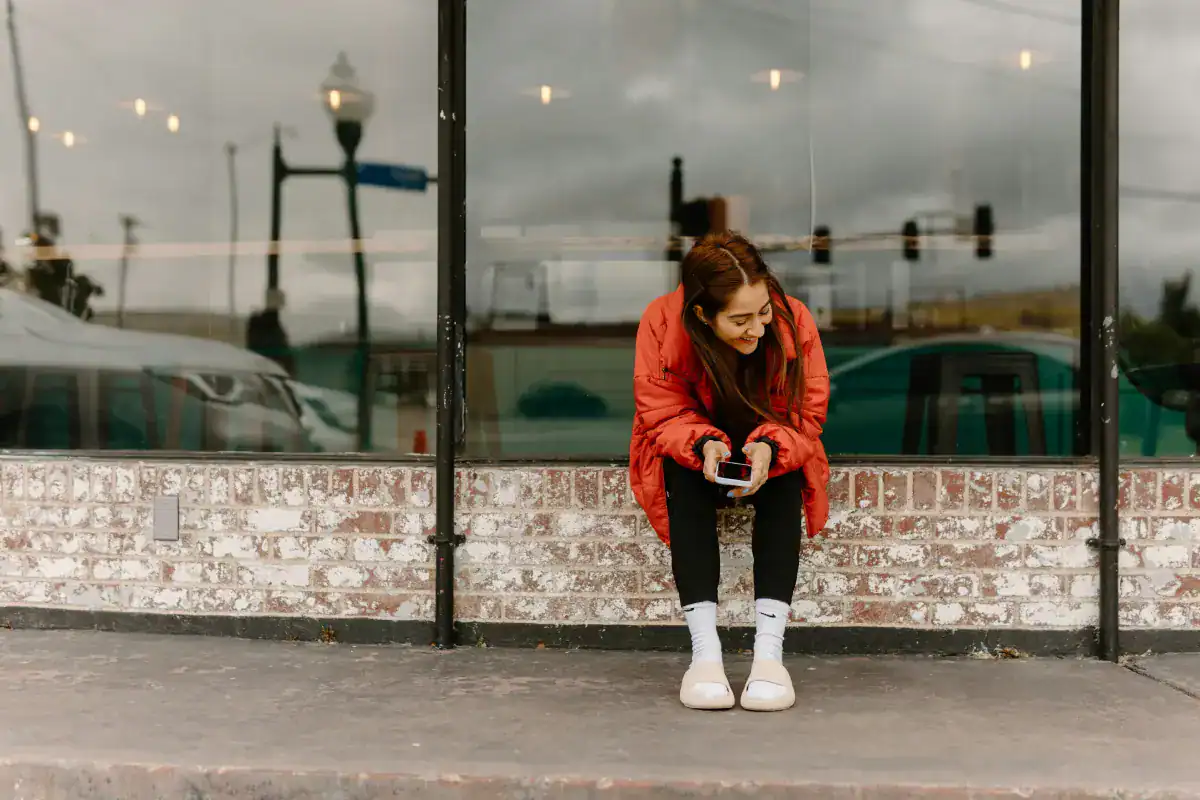
Generation Z fashion reflects a broader shift in how younger consumers in the United States view identity, culture, and consumption. Rather than following fixed rules or seasonal trend cycles, Gen Z approaches clothing as a flexible form of self-expression shaped by digital communities, social values, and personal comfort. Their fashion choices are influenced as much by online platforms and peer networks as by traditional designers or retail brands. As a result, gen z fashion has become less about uniform trends and more about individual style systems that evolve continuously.
Unlike previous generations, Generation Z does not separate fashion from social context. Clothing choices often reflect attitudes toward sustainability, inclusivity, and authenticity. Understanding gen z style therefore requires looking beyond outfits alone and examining how culture, technology, and values intersect in everyday fashion decisions.
Table of Contents
What Defines Gen Z Fashion in the United States?
Gen Z fashion in the United States is defined by adaptability rather than conformity. There is no single look that represents all of Generation Z. Instead, the generation embraces multiple styles simultaneously, often blending influences that once appeared contradictory.
Fashion as Identity, Expression, and Individuality
For Generation Z, clothing functions as a personal language. Outfits are used to express mood, beliefs, and social belonging. Gen z outfits are often curated to reflect individuality rather than to signal status or wealth. This approach encourages experimentation, layering, and customization rather than strict adherence to fashion norms.
Why Gen Z Rejects Traditional Fashion Rules
Traditional fashion rules around gender, formality, and seasonal dressing hold less relevance for Gen Z. Many young consumers prioritize comfort and self-definition over external expectations. This has contributed to the popularity of relaxed silhouettes, casual materials, and gender-neutral clothing styles across gen z clothing lines.
The Influence of Diversity and Inclusivity on Style
Diversity plays a significant role in shaping gen z fashion. Exposure to global cultures through digital platforms allows young people to explore styles beyond geographic or cultural boundaries. Inclusive representation has also influenced how Generation Z evaluates brands, favoring those that reflect a broad range of identities and experiences.
How Gen Z Style Differs From Millennial Fashion
While both Millennials and Gen Z value self-expression, their approaches to fashion differ in notable ways. Comparing millennial vs gen z fashion highlights shifts in cultural priorities and consumption habits.
Minimalism vs Experimentation in Clothing
Millennial fashion trends often emphasized minimalism, coordinated outfits, and polished aesthetics. In contrast, gen z style tends to favor experimentation, contrasting textures, and intentionally unstructured looks. Mixing vintage pieces with modern clothing is common, reinforcing the idea that fashion does not need to follow a single direction.
Attitudes Toward Logos, Brands, and Status
Millennials were more likely to associate visible branding with quality or success. Gen Z, however, often evaluates clothing based on originality and values rather than brand recognition. Smaller labels, second-hand clothing, and unbranded items play a significant role in gen z fashion choices.
Cultural Shifts From Millennial Style Trends to Gen Z Style
Cultural shifts toward transparency and digital-native communication have influenced how Gen Z engages with fashion. While Millennials adopted social media as adults, Gen Z grew up with it, shaping faster trend cycles and more fluid definitions of style.
Core Influences Shaping Gen Z Clothing and Style
Gen Z fashion is shaped by a combination of digital, cultural, and economic influences that interact continuously.
Social Media and Digital Communities
Platforms such as TikTok and Instagram function as primary discovery tools for gen z fashion trends. Instead of relying on magazines or runway shows, young consumers observe real-time outfit sharing and peer-driven inspiration. Trends spread rapidly but often fade just as quickly, reinforcing the importance of adaptability.
Music, Subcultures, and Street Style
Music genres and subcultures continue to influence gen z clothing style. Streetwear, skate culture, and music-driven aesthetics shape everyday outfits, particularly in urban environments. These influences often intersect with regional styles, creating localized variations of broader trends.
Thrift Culture, Vintage Clothing, and Resale
Thrift shopping and resale platforms are central to Generation Z fashion habits. Vintage clothing allows individuals to create distinctive looks while supporting sustainability goals. This has normalized second-hand clothing as a mainstream choice rather than an alternative one.
Popular Gen Z Fashion Styles and Aesthetics
Rather than following a single dominant trend, Gen Z embraces multiple fashion aesthetics simultaneously.
Streetwear and Oversized Silhouettes
Street style gen z fashion frequently includes oversized hoodies, baggy jeans, joggers, and relaxed outerwear. Comfort-driven silhouettes reflect both lifestyle preferences and cultural influences from sportswear and urban fashion.
Y2K Revival and Early 2000s Fashion
The revival of early 2000s fashion continues to influence gen z outfits. Low-rise jeans, graphic tops, and bold accessories appear regularly in gen z clothing trends, often reinterpreted with modern materials and fits.
Minimal, Vintage, and Indie-Inspired Looks
Not all Gen Z fashion is maximalist. Many individuals prefer understated outfits inspired by vintage tailoring, neutral colors, and simple silhouettes. These styles emphasize longevity and versatility rather than trend-based dressing.
Gender-Neutral and Unisex Fashion Choices
Gender-neutral fashion plays a prominent role in gen z clothing. Oversized fits, shared wardrobes, and unisex designs reflect broader cultural shifts toward inclusivity and personal freedom in style.
Gen Z Fashion Trends in 2025 and Beyond
Looking ahead, gen z fashion trends 2025 are expected to emphasize sustainability, personalization, and digital integration rather than dramatic visual shifts.
Evolving Silhouettes and Materials
Future gen z fashion trends will likely focus on adaptable silhouettes and functional fabrics. Comfort, durability, and climate awareness are becoming increasingly important in clothing design.
Sustainability-Driven Fashion Decisions
Environmental awareness continues to shape Generation Z clothing choices. Many consumers prioritize sustainable materials, ethical production, and transparent supply chains when selecting brands.
Technology, Digital Fashion, and Online Identity
Digital fashion and virtual self-expression are emerging areas of interest. While physical clothing remains central, digital representation through avatars and online profiles influences how Gen Z perceives style and identity.
How Gen Z Chooses and Buys Clothing
Understanding how Gen Z shops provides insight into broader changes within the fashion industry.
Social Commerce and Influencer Impact
Gen Z often discovers clothing through social media creators rather than traditional advertising. Recommendations from peers and creators carry more weight than brand messaging alone.
Importance of Brand Values and Transparency
Generation Z evaluates brands based on ethics, inclusivity, and communication style. Transparency around production and pricing can influence purchasing decisions as much as design.
Online Shopping vs Physical Retail Preferences
While online shopping dominates gen z clothing purchases, physical retail still plays a role when experiences are interactive or community-driven. Hybrid retail models continue to evolve to meet these expectations.
Gen Z Fashion for Women and Men
Although Gen Z often challenges traditional gender distinctions in fashion, certain preferences remain relevant.
Gen Z Women’s Fashion and Outfit Trends
Gen z women’s fashion often balances comfort with creativity. Common elements include oversized tops, relaxed dresses, layered accessories, and versatile footwear suited for daily activities.
Gen Z Men’s Fashion and Style Choices
Gen z men fashion emphasizes comfort, loose fits, and functional layering. Hoodies, relaxed trousers, and casual outerwear dominate many gen z outfits male categories.
How to Dress Like Gen Z Without Following Every Trend
Adopting gen z style does not require constant trend-following.
Focus on Fit, Comfort, and Personal Expression
Comfort is a defining principle. Choosing clothing that fits personal routines and preferences matters more than replicating specific outfits.
Mixing Trends With Individual Style
Incorporating selective elements from gen z fashion trends allows for personal adaptation without overconsumption.
Avoiding Trend Fatigue and Overconsumption
Gen Z increasingly values mindful consumption. Building a flexible wardrobe supports both sustainability and long-term style confidence.
The Impact of Gen Z Fashion on the American Fashion Industry
Generation Z has influenced how the fashion industry designs, markets, and distributes clothing.
How Brands Are Adapting to Gen Z Expectations
Brands are shifting toward transparency, inclusivity, and community-driven marketing to remain relevant.
Rise of Small Labels and Creator-Driven Fashion
Independent designers and creator-led brands benefit from direct access to audiences through digital platforms, challenging traditional fashion hierarchies.
Long-Term Influence on Fashion Marketing and Design
Gen Z fashion is reshaping how trends emerge and how brands engage with consumers. Its emphasis on individuality and values is likely to influence fashion for years to come.
Final Thoughts
Gen Z fashion represents more than changing aesthetics. It reflects a generational approach to identity, culture, and consumption that prioritizes authenticity, adaptability, and personal expression. As Generation Z continues to shape fashion norms, understanding their style choices provides valuable insight into the future of the American fashion landscape.