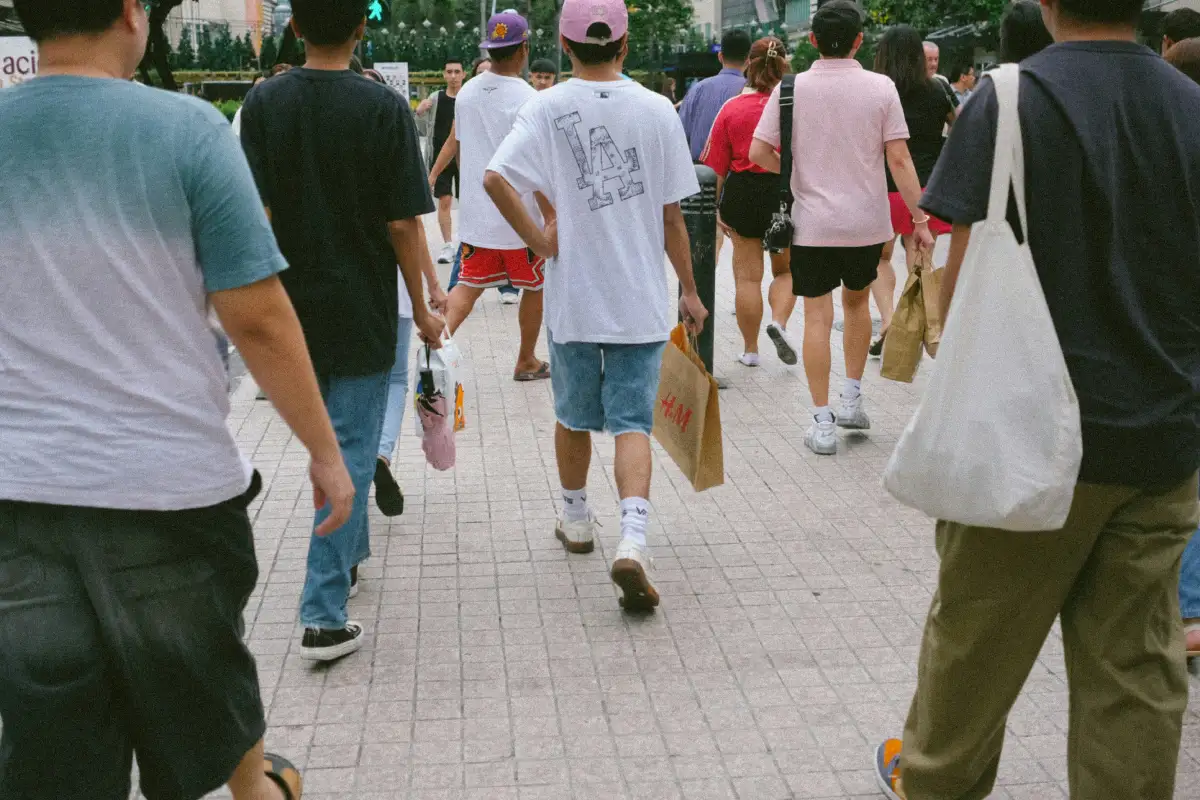
Gen Z men’s fashion reflects a broader cultural shift in how young men approach clothing, identity, and self-presentation. Rather than following rigid style rules or predefined trends, Generation Z men tend to build wardrobes that prioritize comfort, flexibility, and personal relevance. Clothing is often viewed as a practical extension of lifestyle rather than a statement of status or formality. As a result, gen z men fashion is less about dressing to impress and more about dressing to function within everyday environments.
In the United States, these fashion choices are shaped by digital culture, evolving workplace norms, and greater acceptance of diverse expressions of masculinity. Similar patterns can be observed globally, making Generation Z men’s fashion a relevant topic beyond a single market. Understanding how Gen Z men dress requires examining not just what they wear, but why those choices resonate within their social and cultural context.
Table of Contents
What Defines Gen Z Men’s Fashion?
Gen Z men’s fashion is defined by adaptability rather than uniformity. There is no single silhouette or style that represents all Generation Z men. Instead, clothing choices are shaped by lifestyle, digital influence, and individual comfort preferences.
Comfort as a Core Principle
Comfort plays a central role in gen z men fashion. Relaxed fits, breathable fabrics, and versatile garments dominate everyday wardrobes. Items such as hoodies, loose-fitting trousers, and casual outerwear are common because they support long periods of wear across multiple settings, including work, study, and social activities.
Flexibility Over Formality
Traditional menswear categories such as “formal” and “casual” are increasingly blurred. Many Gen Z men prefer clothing that can transition easily between environments. This has contributed to the popularity of adaptable outfits that balance structure with ease, rather than strict dress codes.
Personal Expression Without Excess
While self-expression matters, Gen Z men often avoid overly performative fashion. Clothing choices tend to reflect subtle individuality rather than dramatic statements. This balance allows for personal style without relying on attention-seeking designs or exaggerated trends.
How Gen Z Men’s Fashion Differs From Previous Generations
Comparing gen z men fashion to millennial or Generation X styles highlights important generational shifts in attitude and consumption.
Moving Away From Rigid Menswear Norms
Earlier generations often associated men’s fashion with fixed rules around tailoring, grooming, and professionalism. Gen Z men are more likely to challenge these expectations, choosing clothing based on comfort and relevance rather than tradition.
Reduced Emphasis on Status Dressing
Logos, luxury branding, and formal attire were once key indicators of success. Gen Z men place less importance on visible status markers. Instead, authenticity and practicality influence purchasing decisions more than brand recognition.
Digital-First Style Development
Generation Z grew up with constant access to online platforms, shaping how trends are discovered and adopted. Unlike previous generations, Gen Z men often draw inspiration from peers, creators, and communities rather than fashion authorities.
Core Influences Shaping Gen Z Men’s Fashion Choices
Understanding how Gen Z men dress requires examining the influences that shape their preferences.
Social Media and Online Communities
Social platforms play a central role in exposing Gen Z men to diverse fashion perspectives. Outfit inspiration often comes from everyday individuals rather than professional models. This encourages relatable and accessible clothing choices rather than aspirational ones.
Street Culture and Everyday Wear
Streetwear remains a significant influence in gen z men fashion. Elements such as relaxed silhouettes, layered outfits, and casual footwear reflect broader urban culture rather than seasonal runway trends.
Economic and Lifestyle Considerations
Many Gen Z men prioritize affordability and versatility. Clothing that serves multiple purposes is often favored over specialized pieces. This practical mindset shapes both purchasing habits and overall wardrobe structure.
Common Clothing Pieces in Gen Z Men’s Wardrobes
Rather than relying on trend-specific items, Gen Z men often build wardrobes around core pieces that support daily routines.
Tops and Outerwear
Hoodies, sweatshirts, relaxed-fit shirts, and lightweight jackets are common in gen z outfits male categories. These items provide comfort while allowing for layering across different climates and settings.
Pants and Bottoms
Loose-fitting jeans, straight-leg trousers, joggers, and casual pants are widely worn. The popularity of baggy silhouettes reflects both comfort preferences and changing style norms around men’s clothing.
Footwear and Accessories
Footwear choices often prioritize function, with sneakers and casual shoes dominating everyday wear. Accessories are typically minimal, focusing on utility rather than decoration.
Popular Gen Z Men’s Fashion Styles and Aesthetics
Although Generation Z men avoid strict labels, certain style patterns appear consistently across regions.
Relaxed Streetwear Aesthetic
This style emphasizes loose fits, neutral colors, and practical layering. It reflects everyday functionality rather than curated fashion statements.
Minimal and Utility-Inspired Looks
Some Gen Z men prefer minimalist wardrobes built around neutral tones and durable materials. Utility-inspired designs appeal to those who value longevity and versatility.
Vintage and Second-Hand Influences
Thrifted clothing and vintage pieces are common in gen z men fashion. These items allow for individuality while supporting sustainability goals and cost awareness.
Gen Z Men’s Fashion in Work, Social, and Casual Settings
One defining feature of Generation Z men’s fashion is its adaptability across environments.
Casual and Everyday Wear
Casual outfits dominate daily life, especially in educational and social settings. Comfort and ease of movement guide clothing choices more than appearance alone.
Workplace and Professional Environments
As workplaces adopt more flexible dress codes, Gen Z men favor smart-casual outfits that balance professionalism with comfort. Structured jackets, relaxed trousers, and simple footwear are common choices.
Social and Evening Outfits
For social occasions, Gen Z men often adjust fit and layering rather than switching to entirely different wardrobes. This approach reflects a preference for consistency over dramatic outfit changes.
Sustainability and Values in Gen Z Men’s Fashion
Values play an increasingly important role in how Generation Z men approach fashion.
Ethical and Environmental Awareness
Many Gen Z men consider sustainability when selecting clothing. This includes interest in responsible materials, ethical production, and reduced waste.
Preference for Longevity Over Trends
Rather than constantly replacing clothing, Gen Z men often aim to build wardrobes that last. This mindset supports sustainable consumption and reduces reliance on short-term trends.
How Gen Z Men Shop for Clothing
Shopping behavior provides insight into how fashion choices are made.
Online-First Discovery
Most Gen Z men discover clothing online through social platforms, digital storefronts, and peer recommendations. Physical retail plays a secondary role unless it offers convenience or experience-based value.
Importance of Brand Transparency
Clear communication about pricing, sourcing, and values influences purchasing decisions. Gen Z men are more likely to trust brands that provide straightforward information.
Balancing Price and Quality
Affordability matters, but not at the expense of comfort or durability. Clothing that balances reasonable pricing with quality construction tends to resonate most with this audience.
How to Build a Gen Z Men’s Style Without Following Every Trend
Adopting gen z men fashion does not require constant trend awareness.
Prioritize Fit and Comfort
Choosing clothing that suits body type and daily activities is more important than copying specific outfits.
Select Versatile Pieces
Items that can be worn in multiple settings reduce the need for frequent wardrobe updates.
Focus on Personal Preferences
Gen Z men’s fashion encourages individuality. Building a style that reflects personal interests leads to more consistent and confident dressing.
The Broader Impact of Gen Z Men’s Fashion
Generation Z men are influencing how fashion brands approach design, marketing, and production.
Shifts in Menswear Design
Designers increasingly emphasize comfort, flexibility, and inclusivity in response to Gen Z preferences.
Changing Marketing Approaches
Brands rely less on traditional advertising and more on community-driven communication to connect with younger audiences.
Long-Term Influence on Men’s Fashion Norms
The emphasis on comfort, values, and individuality suggests lasting changes in how men’s fashion will be defined in the future.
FAQs: Gen Z Men’s Fashion
What is gen z men’s fashion?
Gen Z men’s fashion refers to the clothing styles and preferences commonly associated with Generation Z men, emphasizing comfort, adaptability, and personal expression rather than rigid fashion rules.
How do Gen Z men usually dress?
Most Gen Z men dress in relaxed, casual clothing that supports everyday activities. Loose-fitting pants, hoodies, and versatile outerwear are common choices.
How is Gen Z men’s fashion different from millennial men’s fashion?
Gen Z men place less emphasis on formal dressing and brand status. They tend to prioritize comfort, flexibility, and values over polished or logo-driven styles.
Are Gen Z men interested in fashion trends?
Gen Z men are aware of trends but often adopt them selectively. Practical relevance and personal comfort usually matter more than trend participation.
Is sustainability important in gen z men fashion?
Yes. Many Gen Z men consider sustainability and ethical production when choosing clothing, favoring durable and responsibly made items.
Can gen z men’s fashion apply outside the USA?
Yes. While influenced by American culture, gen z men fashion reflects global shifts in lifestyle, digital culture, and consumer values.
Final Thought
Gen Z men’s fashion represents a shift toward clothing that supports real life rather than idealized appearances. By prioritizing comfort, adaptability, and authenticity, Generation Z men are redefining what modern menswear looks like in the United States and beyond. This approach is shaping the future of men’s fashion in ways that extend far beyond temporary trends.