
Clothing styles represent the way individuals express identity, culture, lifestyle, and personality through what they wear. In the modern fashion landscape, the types of clothing styles have expanded far beyond traditional categories, shaped by global influences, digital platforms, and changing social norms. When people search for different types of clothing styles, they are not only looking for names but also for meaning, context, and real-world relevance. Understanding the various styles of clothing helps individuals make informed fashion choices that align with comfort, confidence, and self-expression.
In the United States, clothing styles are especially diverse due to cultural blending, climate variation, and strong influence from entertainment and social media. From everyday casual wear to highly specific aesthetic and alternative styles, fashion continues to evolve year after year.
Table of Contents
What Are Clothing Styles and How Do They Differ?
Clothing styles are categories of fashion defined by recurring patterns in design, fit, color, fabric, and overall presentation. Each style reflects a combination of historical influence, social behavior, and personal preference. Some styles prioritize function and comfort, while others focus on visual impact or cultural symbolism. When people ask what types of clothing styles are there, they are usually trying to identify how fashion choices are grouped and how those groups relate to real life.
Different types of clothing styles exist because people live different lifestyles. Someone working in a corporate office will dress differently than someone in a creative industry, just as teenagers often adopt different clothing styles than adults. Over time, these preferences become recognized styles with identifiable characteristics.
Classic Clothing Style
The classic clothing style is built around timeless fashion that remains relevant regardless of trends. This style emphasizes clean lines, structured silhouettes, and neutral colors such as black, navy, beige, gray, and white. Classic clothing styles are often associated with professionalism, elegance, and maturity, making them popular among both men and women who prefer a refined appearance.
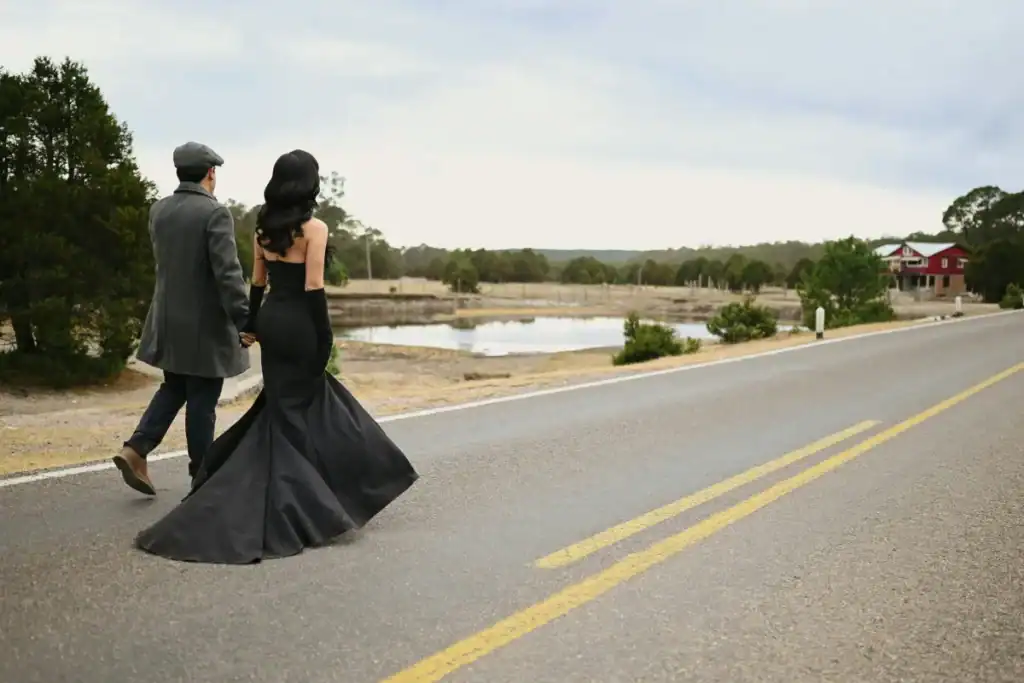
In men’s fashion, classic style often includes tailored suits, crisp shirts, and polished shoes. For women, it includes dresses with simple cuts, blazers, skirts, and understated accessories. The appeal of classic clothing lies in its longevity, as pieces can be worn for years without appearing outdated.
Casual Clothing Style
Casual clothing style is one of the most widely adopted types of clothing styles in everyday life. It prioritizes comfort, practicality, and ease of movement while still maintaining a presentable appearance. Casual style varies depending on age, gender, and environment, but it commonly includes items such as jeans, t-shirts, sneakers, hoodies, and relaxed tops.
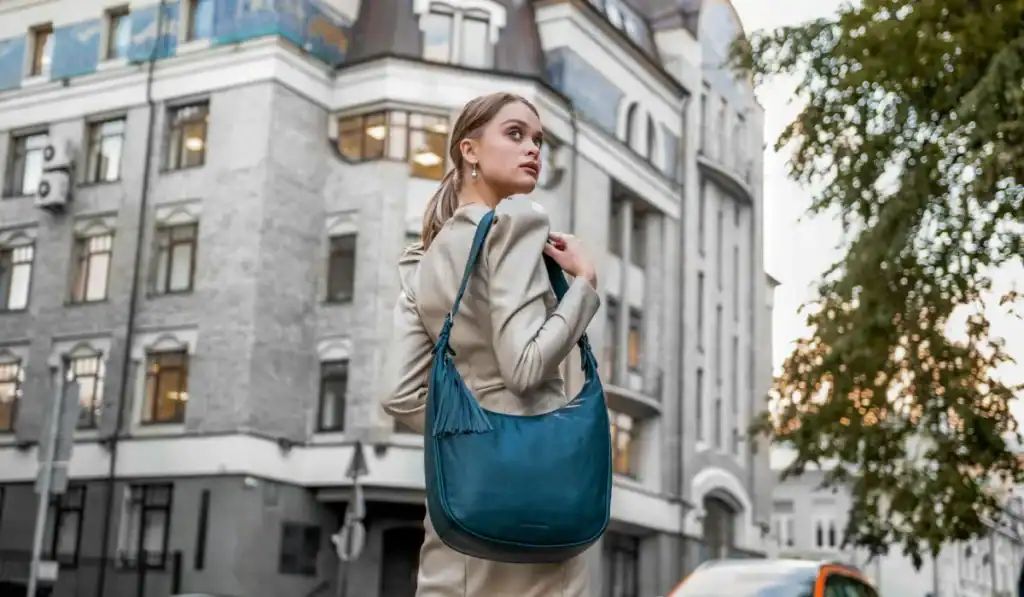
In the USA, casual clothing styles dominate daily wear for men, women, and teens. This style adapts easily to different seasons and occasions, making it one of the most flexible fashion categories. Casual fashion also evolves quickly, influenced by street culture, pop trends, and lifestyle shifts.
Smart Casual Clothing Style
Smart casual is a hybrid style that blends the structure of formal wear with the comfort of casual clothing. It is especially popular in modern workplaces, social events, and semi-formal settings where full formal attire is not required. This style allows for more personal expression while maintaining a polished look.
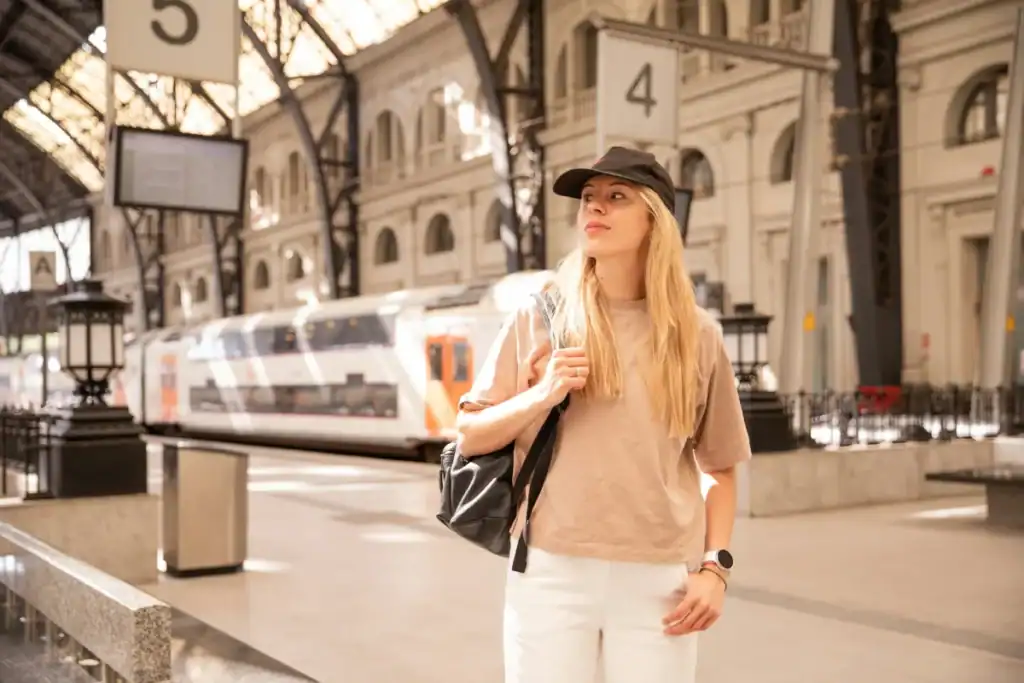
Smart casual outfits may include chinos paired with button-down shirts, blouses combined with tailored pants, or dresses styled with minimal accessories. The smart casual clothing style appeals to individuals who want versatility without sacrificing professionalism.
Streetwear Clothing Style
Streetwear is one of the most influential and fast-growing types of clothing styles, particularly among younger generations. Originating from urban culture, skateboarding, and hip-hop, streetwear emphasizes bold design, oversized fits, and statement pieces. Logos, graphics, and limited-edition releases are central to this style.

Streetwear types of clothing styles for guys especially popular, but women’s streetwear clothing has also gained strong visibility. Sneakers play a critical role in this style, often acting as the centerpiece of an outfit. Social platforms like TikTok and Instagram continue to push streetwear trends into mainstream fashion.
Minimalist Clothing Style
Minimalist fashion focuses on simplicity, functionality, and intentional wardrobe choices. This clothing style avoids excess by using neutral color palettes, clean silhouettes, and high-quality fabrics. The goal of minimalist clothing is not to stand out but to create a cohesive and effortless look.
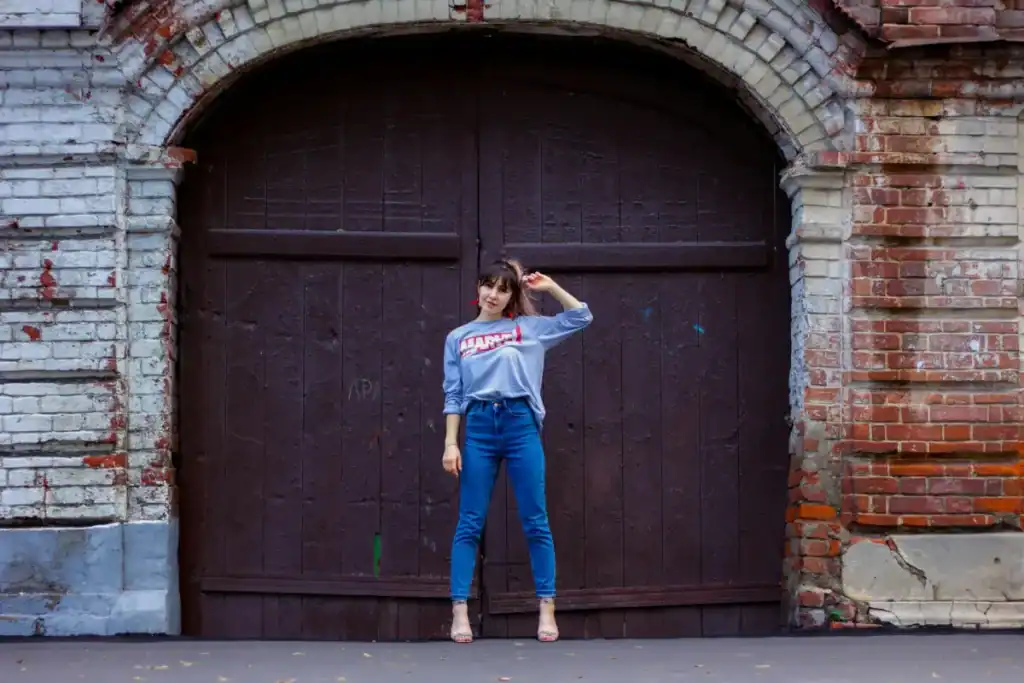
Minimalist clothing styles are popular among individuals who prefer capsule wardrobes and sustainable fashion practices. Both men and women adopt minimalist styles as a long-term approach to dressing, rather than following seasonal trends.
Bohemian Clothing Style
Bohemian, often referred to as boho style, is inspired by artistic, free-spirited, and nature-oriented lifestyles. This style features flowing fabrics, layered textures, earthy tones, and handcrafted details. Bohemian clothing styles are commonly associated with creativity, travel, and individuality.

Women’s bohemian clothing styles often include maxi dresses, loose blouses, fringe details, and natural fabrics. Men’s boho fashion incorporates relaxed fits, patterned shirts, and accessories such as scarves or hats. This style remains popular in warm climates and festival culture.
Preppy Clothing Style
Preppy clothing style originates from American collegiate fashion and Ivy League traditions. It is characterized by neat, structured outfits that convey a youthful yet polished appearance. Common elements include collared shirts, sweaters, skirts, chinos, loafers, and blazers.

Preppy fashion appeals to individuals who prefer a clean and organized look. While traditionally associated with students, modern preppy clothing styles have evolved to fit casual and professional environments alike.
Vintage and Retro Clothing Styles
Vintage and retro clothing styles draw inspiration from fashion trends of previous decades, such as the 1950s, 1970s, 1990s, and early 2000s. These styles celebrate nostalgia while allowing individuals to reinterpret old trends in a modern way.

Vintage fashion often involves thrifted or reproduction pieces, while retro styles recreate the look of a specific era using contemporary clothing. These styles are closely connected to aesthetic fashion and personal identity expression.
Aesthetic Clothing Styles
Aesthetic clothing styles are defined more by visual mood and cultural influence than by function. These styles are largely shaped by online communities and social platforms. Popular aesthetic styles include cottagecore, dark academia, soft girl, grunge aesthetic, and clean girl fashion.
Aesthetic clothing styles appeal strongly to teens and young adults who use fashion as a form of visual storytelling. Each aesthetic reflects a lifestyle, emotional tone, or cultural interest, making it deeply personal.
Athleisure Clothing Style
Athleisure combines athletic wear with everyday fashion, allowing comfort and performance to exist within casual outfits. This style gained massive popularity due to lifestyle changes and the rise of wellness culture.
Athleisure clothing styles include leggings, joggers, sports bras, hoodies, and performance sneakers. Both men and women adopt athleisure for daily errands, travel, and remote work environments.
Goth and Alternative Clothing Styles
Goth clothing styles fall under the broader category of alternative fashion. These styles emphasize dark color palettes, dramatic silhouettes, and symbolic accessories. Goth fashion is influenced by music, literature, and subcultural identity.
Alternative clothing styles also include punk, emo, and industrial fashion, each with distinct visual elements. These styles allow individuals to express individuality outside mainstream fashion norms.
Japanese Clothing Styles
Japanese clothing styles are known for their creativity, layering techniques, and unique silhouettes. Styles such as Harajuku, Lolita, Mori, and techwear have influenced global fashion trends.
Japanese fashion emphasizes self-expression and experimentation, often blending traditional elements with modern design. These styles are especially influential in streetwear and avant-garde fashion.
Types of Clothing Styles for Men
Men’s clothing styles focus on structure, function, and adaptability. Common types of men’s clothing styles include classic, casual, streetwear, smart casual, minimalist, athleisure, and alternative styles. Modern men’s fashion increasingly embraces flexibility, allowing different styles to overlap depending on occasion and personal taste.
Types of Clothing Styles for Women
Women’s clothing styles offer broader variety due to differences in silhouettes, fabrics, and design options. Feminine, casual, bohemian, minimalist, chic, vintage, and aesthetic clothing styles are among the most popular. Women often combine multiple styles to create unique personal looks.
How Clothing Styles Evolve Over Time
Clothing styles change as society, technology, and culture evolve. Trends from 2020 to 2025 show a strong shift toward comfort, inclusivity, sustainability, and digital influence. Social media platforms accelerate trend cycles, while core clothing styles remain consistent foundations.
Final Perspective on Clothing Styles
There is no fixed answer to how many types of clothing styles exist. Fashion continues to evolve as individuals reinterpret styles based on personality, culture, and lifestyle. Understanding different types of clothing styles empowers people to dress with intention rather than following trends blindly.
Personal style is not about fitting into one category—it is about choosing what represents you best.
FAQ’S About Clothing Styles
1. What are the different types of clothing styles?
There are many different types of clothing styles, including classic, casual, smart casual, streetwear, minimalist, bohemian, preppy, vintage, athleisure, aesthetic, and alternative styles. Each clothing style is defined by specific characteristics such as fit, color palette, fabric choice, and cultural influence. Rather than being fixed categories, clothing styles evolve over time as fashion trends, social behavior, and lifestyle preferences change.
2. How many types of clothing styles are there?
There is no exact number of clothing styles because fashion continuously evolves. While core styles such as classic, casual, and streetwear remain consistent, new clothing styles emerge through cultural movements, social media influence, and generational shifts. This is why people often see references to clothing styles by year, such as clothing styles in 2023, 2024, or 2025.
3. What are the most popular clothing styles in the USA?
In the United States, the most popular clothing styles include casual, streetwear, smart casual, athleisure, and minimalist fashion. These styles reflect modern American lifestyles that prioritize comfort, flexibility, and personal expression. Social media platforms and celebrity influence also play a major role in shaping popular clothing styles across different age groups.
4. What types of clothing styles are best for men?
Common types of men’s clothing styles include classic, casual, streetwear, smart casual, minimalist, and athleisure styles. Men often choose clothing styles based on their profession, lifestyle, and comfort preferences. Modern men’s fashion allows for blending styles, such as combining classic tailoring with casual elements for a balanced look.
5. What types of clothing styles are best for women?
Women’s clothing styles are highly diverse and include feminine, casual, bohemian, chic, minimalist, vintage, and aesthetic fashion styles. Many women incorporate multiple clothing styles into their wardrobes depending on occasion, season, and personal expression. This flexibility makes women’s fashion one of the most dynamic areas of clothing style evolution.
6. What are aesthetic clothing styles?
Aesthetic clothing styles focus on visual identity, mood, and cultural influence rather than function alone. Popular aesthetic styles include cottagecore, dark academia, grunge aesthetic, soft girl, and clean girl fashion. These styles are strongly influenced by social media and often reflect a lifestyle or emotional theme, making them especially popular among teens and young adults.
7. How do clothing styles reflect personality?
Clothing styles often reflect personality traits, preferences, and values. For example, minimalist clothing styles may appeal to people who value simplicity and organization, while bohemian styles often attract creative and free-spirited individuals. Fashion choices can also reflect confidence, professionalism, or cultural identity, making clothing a powerful form of self-expression.
8. What is the difference between casual and streetwear clothing styles?
Casual clothing styles prioritize comfort and everyday practicality, often featuring simple and relaxed outfits. Streetwear, on the other hand, is rooted in urban culture and emphasizes bold designs, oversized fits, graphic elements, and sneaker culture. While both styles are informal, streetwear focuses more on visual impact and trend-driven fashion.
9. Are clothing styles different for men and women?
Yes, clothing styles can differ for men and women due to differences in design, fit, and cultural expectations. However, many modern clothing styles are becoming gender-neutral, allowing both men and women to adopt similar fashion elements. Streetwear, minimalist, and casual styles often overlap across genders.
10. What are alternative clothing styles?
Alternative clothing styles include goth, punk, emo, and other subcultural fashion movements that exist outside mainstream trends. These styles often feature darker color palettes, unique accessories, and symbolic elements. Alternative fashion allows individuals to express identity and beliefs through clothing rather than following traditional fashion norms.
11. What are Japanese clothing styles?
Japanese clothing styles are known for their creativity, layered silhouettes, and emphasis on individuality. Styles such as Harajuku, Lolita, Mori, and techwear have influenced global fashion. Japanese fashion often blends traditional cultural elements with modern innovation, making it a major source of inspiration in contemporary clothing styles.
12. How do clothing styles change over time?
Clothing styles change due to cultural shifts, technological advancements, and changes in lifestyle. Social media platforms accelerate fashion cycles by quickly spreading new trends. While specific trends may change yearly, core clothing styles remain stable and adapt gradually over time.
13. What clothing styles are popular among teens?
Teen clothing styles are heavily influenced by social media, pop culture, and peer trends. Popular styles among teens include Y2K fashion, oversized streetwear, aesthetic outfits, and gender-neutral clothing. Teen fashion tends to evolve quickly, often reflecting digital trends and online communities.
14. How can someone find their personal clothing style?
Finding a personal clothing style involves understanding lifestyle needs, comfort preferences, body type, and personality. Many people start by experimenting with different clothing styles and gradually identifying which outfits make them feel confident and comfortable. Over time, this process leads to a personalized style rather than strict adherence to one category.
15. Do clothing styles repeat over the years?
Yes, clothing styles often repeat and re-emerge in new forms. Vintage and retro fashion demonstrates how trends from previous decades return with modern updates. While silhouettes and materials may change, the core inspiration behind many clothing styles remains cyclical.