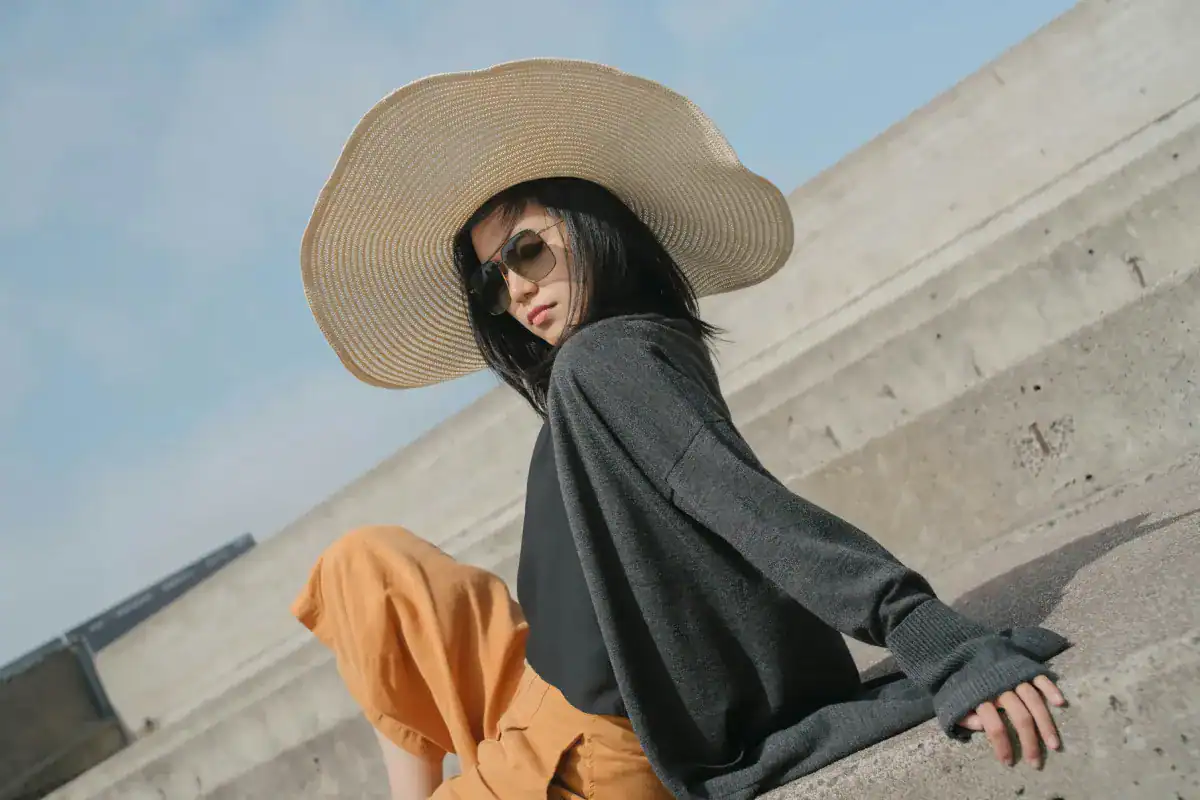
Gen Z style reflects a generational shift in how fashion is understood, used, and valued in the United States. Rather than following fixed trends or seasonal rules, Generation Z approaches clothing as a personal and adaptable form of expression. Style choices are influenced by identity, comfort, cultural awareness, and digital communities rather than by traditional fashion authorities. As a result, gen z style does not conform to a single aesthetic. It functions as a flexible framework where individuality is prioritized over uniformity.
Understanding generation z style requires examining how clothing decisions connect to broader lifestyle values. Gen Z does not view fashion as separate from daily life. Clothing choices are shaped by social environments, online interactions, and personal beliefs. This approach has reshaped how gen z clothing style is defined and how modern fashion culture evolves.
Table of Contents
What Does Gen Z Style Mean in Today’s Fashion Landscape?
Gen Z style represents a shift away from rigid fashion definitions. Instead of following one dominant look, Generation Z embraces multiple styles simultaneously. This openness allows individuals to move between aesthetics without being confined to a single fashion identity.
Gen z style is not defined by age alone but by shared attitudes toward self-expression and authenticity. Many young people view style as an evolving process rather than a finished outcome. Clothing choices may change based on mood, environment, or social context, reinforcing the idea that fashion is personal and situational.
How Generation Z Builds Personal Style Identity
Personal identity plays a central role in generation z style. Clothing is often used to communicate individuality, creativity, and values rather than to signal status or wealth.
Style as a Reflection of Individual Identity
For Generation Z, style functions as an extension of identity. Outfits are chosen to represent personality traits, cultural influences, or emotional states. This approach encourages experimentation and reduces the pressure to conform to external expectations.
Expression Over Perfection
Unlike previous generations that emphasized polished or coordinated looks, gen z clothing style often values authenticity over perfection. Mismatched pieces, layered outfits, and unconventional combinations are common, reinforcing the idea that style does not need to appear flawless to be meaningful.
Flexibility and Self-Definition
Gen Z style allows individuals to redefine their appearance frequently. Rather than committing to a single fashion identity, many young people adapt their clothing choices as their interests and environments change.
Key Characteristics of Gen Z Style in the United States
Several defining characteristics consistently appear across gen z style trends in the USA.
Comfort-First Fashion Choices
Comfort plays a major role in gen z clothing style. Relaxed silhouettes, breathable fabrics, and versatile garments are preferred for everyday wear. Clothing is expected to support active lifestyles rather than restrict movement.
Blending Multiple Influences
Gen Z often blends influences from different eras, cultures, and subcultures. Vintage pieces, modern basics, and streetwear elements may appear in a single outfit. This mixing of styles reflects exposure to diverse fashion sources through digital platforms.
Reduced Emphasis on Formality
Traditional distinctions between casual and formal wear are less relevant to Generation Z. Items once considered informal, such as sneakers or hoodies, are frequently incorporated into everyday outfits across different settings.
The Role of Digital Culture in Shaping Gen Z Style
Digital environments play a significant role in how generation z style develops and spreads.
Social Media as a Style Reference Point
Platforms such as TikTok and Instagram influence how gen z style trends emerge. Rather than relying on fashion magazines or runway shows, Generation Z observes real people sharing outfits in everyday contexts. This creates a more relatable and decentralized fashion culture.
Community-Driven Style Discovery
Online communities allow young people to explore styles that align with their interests. These communities encourage experimentation and normalize diverse fashion expressions. Trends emerge organically through shared visuals and discussions rather than through top-down promotion.
Rapid Trend Evolution
Digital exposure accelerates trend cycles. Gen z style trends may rise and fall quickly, reinforcing the importance of adaptability. Instead of chasing every trend, many individuals focus on integrating select elements into their existing wardrobes.
Gen Z Clothing Style and Cultural Influence
Culture plays an essential role in shaping generation z style. Exposure to global perspectives has broadened fashion influences beyond regional boundaries.
Music and Subculture Influence
Music genres, creative communities, and subcultures strongly influence gen z style. Streetwear, alternative fashion, and creative DIY aesthetics often reflect affiliations with music scenes or artistic movements.
Global Inspiration and Local Interpretation
While Gen Z draws inspiration from global fashion sources, styles are often adapted to local contexts. Climate, lifestyle, and cultural norms influence how global trends are interpreted in everyday outfits.
Sustainability and Values in Gen Z Style Choices
Values influence gen z clothing style decisions as much as aesthetics.
Conscious Consumption Habits
Many Generation Z consumers prioritize mindful purchasing. Rather than frequently buying new clothing, individuals may focus on building adaptable wardrobes with fewer, more versatile pieces.
Second-Hand and Vintage Clothing
Thrift shopping and resale platforms support both sustainability and individuality. Vintage clothing allows Gen Z to create distinctive looks while reducing environmental impact.
Brand Values and Transparency
Generation Z often evaluates brands based on ethical practices and transparency. Clothing choices may reflect broader social and environmental concerns rather than brand prestige alone.
How Gen Z Style Differs From Previous Generations
Comparing generation z style with earlier generations highlights broader cultural shifts.
Gen Z Style vs Millennial Style
Millennial fashion trends often emphasized minimalism and coordinated outfits. In contrast, gen z style favors experimentation, relaxed silhouettes, and mixing aesthetics. Logos and brand visibility are less important than originality.
Shifting Attitudes Toward Trends
While previous generations often followed seasonal trends, Generation Z treats trends as optional references. Individuals may adopt certain elements while ignoring others, reinforcing personal agency in style decisions.
Popular Gen Z Style Aesthetics Without Fixed Labels
Although labels exist, many Gen Z individuals avoid defining themselves by a single aesthetic.
Street-Inspired Everyday Style
Street-influenced clothing remains popular due to its comfort and versatility. Oversized tops, relaxed pants, and casual footwear are common elements of gen z style.
Minimal and Vintage-Inspired Looks
Some individuals prefer understated outfits featuring neutral colors and timeless silhouettes. These styles emphasize longevity and adaptability rather than trend-driven design.
Creative and Experimental Styling
Creative expression is encouraged within gen z clothing style. Layering, unconventional accessories, and personalized details reflect individual interpretation rather than standardized fashion rules.
How Gen Z Develops Style Over Time
Gen Z style evolves continuously rather than following a linear progression.
Experimentation During Early Adulthood
Many young people experiment with different styles as they explore identity and personal preferences. This experimentation is often supported by online inspiration and peer feedback.
Refinement Through Experience
Over time, individuals refine their gen z clothing style by identifying what aligns with their lifestyle and values. This process results in more intentional wardrobe choices.
How to Build a Gen Z-Inspired Personal Style
Adopting gen z style principles does not require following every trend.
Focus on Comfort and Function
Prioritizing comfort ensures clothing supports daily activities. Functional pieces can serve as the foundation of a flexible wardrobe.
Use Trends Selectively
Rather than adopting trends wholesale, Gen Z style encourages selective integration. This approach allows individuals to stay current without constant wardrobe changes.
Emphasize Individual Preferences
Personal style should reflect individual needs and values. Gen z clothing style emphasizes self-definition rather than imitation.
The Long-Term Influence of Gen Z Style on Fashion Culture
Generation Z continues to influence how fashion evolves in the United States.
Redefining Fashion Norms
Gen Z style challenges traditional expectations around formality, gender, and trend cycles. These shifts encourage greater inclusivity and creative freedom.
Impact on the Fashion Industry
Brands are adapting by offering more versatile, inclusive, and value-driven clothing options. Gen z style has influenced how fashion is designed, marketed, and consumed.
A More Flexible Future for Fashion
As Generation Z matures, their approach to style is likely to shape long-term fashion culture. The emphasis on adaptability and authenticity may redefine how future generations engage with clothing.
Final Thoughts
Gen Z style is not defined by a single aesthetic or trend. It represents a flexible, identity-driven approach to fashion shaped by comfort, culture, and personal values. By prioritizing individuality over conformity, Generation Z has introduced a new way of thinking about clothing—one that continues to influence modern fashion in meaningful ways.