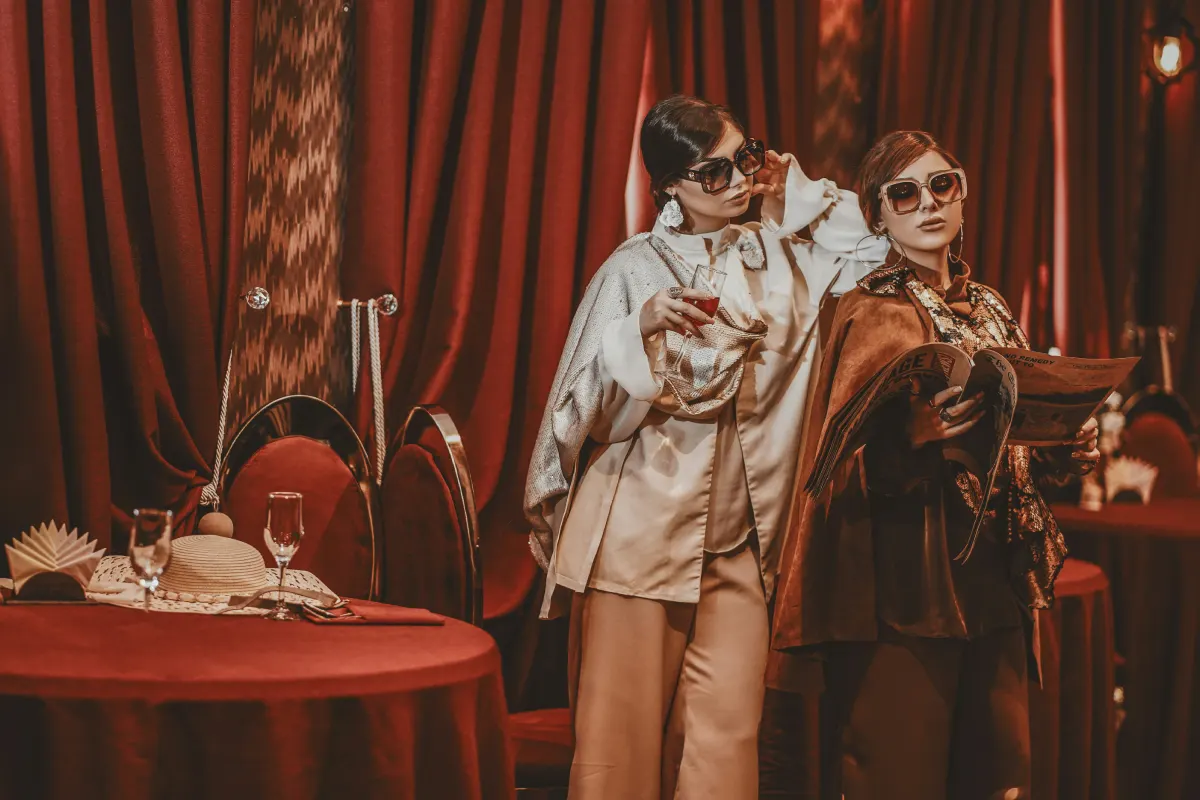
Gen Z outfits reflect a broader change in how clothing is selected, combined, and worn in everyday life. Rather than following fixed styling rules or seasonal trend lists, many young people approach outfits as flexible systems built around comfort, identity, and daily function. In the United States, Gen Z clothing choices are shaped by digital culture, shifting social values, and a strong preference for individuality over uniform appearance.
This article explains how gen z outfits are put together, focusing on the underlying logic behind everyday looks rather than prescriptive styling advice. By examining how clothing items are selected, combined, and adapted across contexts, it becomes easier to understand why Generation Z dresses the way it does—and how these outfit choices differ from earlier fashion norms.
Table of Contents
What Defines a Gen Z Outfit?
A gen z outfit is not defined by a single aesthetic or trend. Instead, it is characterized by adaptability and personal interpretation. Clothing items are chosen based on how they fit into daily routines, social environments, and individual preferences rather than strict fashion guidelines.
Gen Z outfits often combine casual and expressive elements. Comfort plays a central role, but visual expression is equally important. This balance allows outfits to shift easily between settings such as school, work, social gatherings, and online presence without requiring complete wardrobe changes.
The Logic Behind How Gen Z Builds Everyday Outfits
Understanding gen z outfit ideas requires looking at decision-making patterns rather than isolated clothing pieces.
Comfort as the Foundation of Outfit Choices
Comfort is a starting point for most gen z outfits. Loose silhouettes, breathable fabrics, and flexible layering are commonly prioritized. This does not indicate a lack of interest in appearance, but rather a redefinition of what wearable fashion means in daily life.
Function Before Formality
Many gen z outfits are designed to serve multiple purposes throughout the day. Clothing that can transition from casual settings to social environments without adjustment is favored. This practical mindset influences choices such as oversized tops, relaxed pants, and versatile footwear.
Personal Expression Over Standardized Style
Gen Z clothing style values individuality. Outfit combinations are often guided by mood, identity, or cultural references rather than conformity. This results in varied looks even among people wearing similar clothing categories.
Core Clothing Categories Used in Gen Z Outfits
Rather than complete ensembles, Gen Z outfits are built from interchangeable clothing categories that can be mixed and reused.
Tops as Expression Pieces
Graphic t-shirts, simple shirts, and layered tops often serve as the focal point of gen z outfits. These items are used to communicate interests, aesthetics, or cultural references without relying on elaborate styling.
Bottoms Focused on Fit and Movement
Baggy jeans, relaxed trousers, joggers, and flexible skirts are common in gen z clothing choices. Fit is prioritized over structure, allowing ease of movement and long wearability.
Footwear as a Practical Anchor
Shoes in gen z outfits are selected for everyday use rather than occasion-specific styling. Comfort, durability, and versatility influence footwear choices more than trend alignment.
How Gen Z Outfit Ideas Are Formed
Gen z outfit ideas are shaped through observation, experimentation, and repetition rather than formal fashion guidance.
Influence of Digital Platforms
Online platforms play a major role in how gen z outfits are conceptualized. Instead of copying complete looks, individuals often adopt individual elements—such as silhouettes or layering techniques—and adapt them to personal wardrobes.
Peer Inspiration Over Professional Styling
Gen Z draws inspiration from peers rather than fashion authorities. Everyday outfits seen in real-life contexts feel more achievable and relevant than professionally styled images.
Trial, Adaptation, and Reuse
Outfits are rarely fixed. Gen Z frequently reuses clothing items in different combinations, refining their personal style over time. This iterative approach contributes to sustainable wardrobe habits.
Gen Z Outfits Across Different Everyday Contexts
Gen z outfits vary depending on environment, but core principles remain consistent.
Casual Daily Outfits
For everyday activities, gen z outfits often include relaxed tops, comfortable bottoms, and practical footwear. These combinations prioritize ease without sacrificing personal expression.
School, College, and Work-Appropriate Looks
In educational or work environments, gen z outfits adapt through subtle adjustments rather than formal transformations. Layering, neutral colors, or structured accessories help align casual clothing with setting expectations.
Social and Going-Out Outfits
Social gen z outfits may feature bolder elements, such as statement tops or layered accessories. However, comfort and familiarity with clothing remain central, avoiding overly restrictive designs.
How Gen Z Approaches Outfit Repetition
Outfit repetition is widely accepted within Gen Z culture. Wearing similar clothing combinations multiple times is viewed as practical and responsible rather than unfashionable.
This mindset reduces pressure to constantly update wardrobes and supports sustainable clothing habits. Repetition also reinforces personal style consistency, making outfits recognizable extensions of identity.
Gender-Neutrality in Gen Z Outfit Construction
Many gen z outfits are not defined by traditional gender categories. Oversized fits, shared wardrobe items, and neutral silhouettes are common across gen z clothing choices.
This flexibility allows individuals to prioritize fit, comfort, and expression without aligning outfits strictly with gendered fashion expectations.
How Gen Z Outfits Differ From Millennial Outfit Logic
Millennial outfit trends often emphasized coordinated sets and polished appearances. Gen Z outfits, by contrast, focus on adaptability and personal meaning.
Where Millennials may have followed specific style formulas, Gen Z treats outfits as evolving combinations that change based on context rather than trend cycles.
Sustainability and Mindful Outfit Building
Sustainability influences how gen z outfits are assembled. Thrifted clothing, resale platforms, and long-term wardrobe planning play important roles in outfit construction.
Rather than chasing novelty, many young people focus on making existing clothing work across multiple outfits. This approach reduces waste and supports ethical consumption.
How to Build Gen Z-Inspired Outfits Without Copying Trends
Adopting gen z outfit ideas does not require following every emerging style.
Focus on Versatile Basics
Choosing adaptable clothing items allows outfits to evolve naturally. Neutral tops, flexible bottoms, and comfortable footwear form the foundation of many gen z outfits.
Experiment Gradually
Small changes—such as adjusting fit or layering—can introduce gen z style principles without drastic wardrobe overhauls.
Prioritize Authenticity
Gen Z fashion values authenticity over imitation. Outfits should reflect personal routines and preferences rather than trend pressure.
The Broader Impact of Gen Z Outfits on Fashion Norms
Gen Z outfits have influenced how the fashion industry thinks about daily wear. Brands increasingly design clothing that supports flexibility, comfort, and long-term use.
This shift reflects broader changes in consumer expectations, where clothing is expected to adapt to real life rather than idealized scenarios.
Frequently Asked Questions About Gen Z Outfits
What defines a Gen Z outfit?
A Gen Z outfit is defined by comfort, adaptability, and personal expression rather than strict fashion rules or coordinated styling.
How do Gen Z outfits differ from traditional fashion outfits?
Gen Z outfits prioritize function and individuality, often blending casual and expressive elements without formal structure.
Are Gen Z outfits trend-driven?
Trends influence Gen Z outfits, but most individuals adapt trends selectively rather than following complete trend-based looks.
Why is comfort important in Gen Z outfits?
Comfort supports daily flexibility and long wearability, aligning clothing choices with modern lifestyles and values.
Do Gen Z outfits follow gender-specific rules?
Many Gen Z outfits are gender-neutral, focusing on fit and expression instead of traditional gender categories.
Final Thoughts
Gen Z outfits reflect a practical, expressive approach to everyday clothing. By focusing on comfort, flexibility, and personal meaning, Generation Z has reshaped how outfits are constructed and worn. Rather than following rigid style systems, Gen Z continues to redefine fashion as an adaptable part of daily life—one that reflects identity as much as appearance.