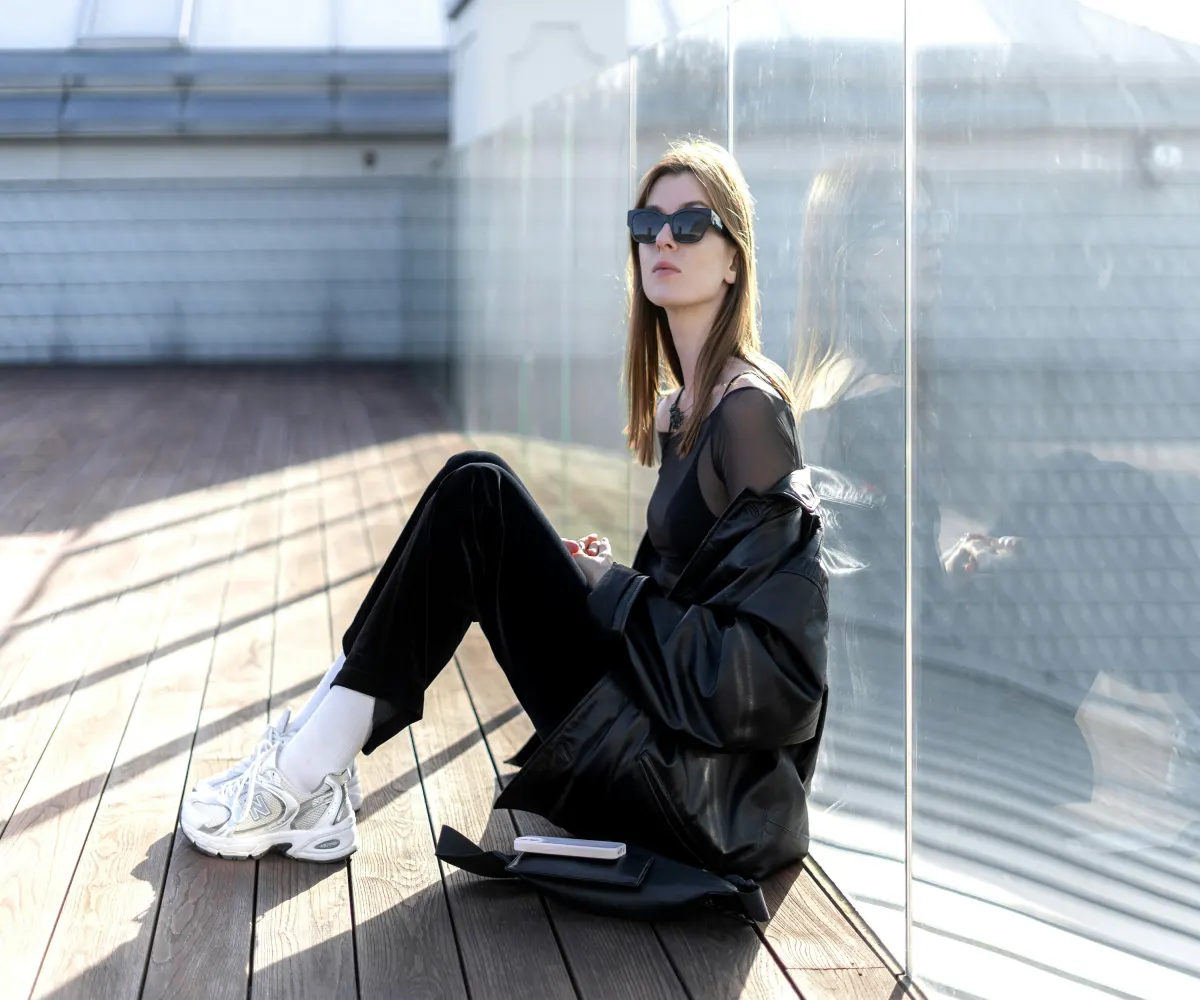
Fashion trends associated with Generation Z change faster than those of previous generations, but the speed of change does not mean the trends lack structure or meaning. Current Gen Z fashion trends are shaped by digital environments, social behavior, and cultural values rather than seasonal fashion calendars. Understanding how these trends emerge and decline requires examining the systems that influence Gen Z clothing choices rather than focusing solely on individual styles.
In the United States and globally, Gen Z fashion trends function as short-term expressions of identity, community, and relevance. Trends gain attention through visibility, participation, and adaptation, then gradually lose momentum as cultural focus shifts. This article explains how Gen Z fashion trends form, spread, and fade, providing context for why trend cycles are shorter, more fragmented, and more personalized than in earlier generations.
Table of Contents
What Defines Current Gen Z Fashion Trends?
Current Gen Z fashion trends are defined less by uniformity and more by participation. A trend does not require widespread adoption across an entire generation to be considered relevant. Instead, trends often exist within specific online communities, geographic regions, or cultural niches.
Gen Z fashion trends typically share three defining characteristics: rapid visibility, flexible interpretation, and short peak cycles. These traits reflect how Generation Z engages with fashion as an ongoing process rather than a fixed outcome.
Trends as Social Signals Rather Than Long-Term Commitments
For Generation Z, wearing a trend is often a way to participate in a moment rather than invest in a long-term aesthetic. Clothing becomes a social signal that communicates awareness, curiosity, or belonging, even if the trend is temporary.
Personal Adaptation Over Exact Replication
Unlike traditional trend adoption, Gen Z rarely follows trends exactly as presented. Instead, trends are adapted to personal wardrobes, budgets, and preferences. This flexibility allows trends to spread quickly while still supporting individual expression.
How Gen Z Fashion Trends Form
Understanding how Gen Z fashion trends begin requires looking beyond designers and brands. Trends often originate from everyday users rather than centralized fashion authorities.
Digital Platforms as Trend Incubators
Social media platforms play a central role in forming Gen Z fashion trends. In the United States, short-form video platforms accelerate trend discovery by allowing users to share outfits, styling experiments, and visual ideas instantly. Trends often begin as repeated visual patterns rather than named styles.
Peer-Driven Visibility and Replication
Once a visual idea gains attention, it spreads through peer replication. Gen Z trends often grow because individuals see similar clothing choices repeatedly across different accounts, locations, and social groups. This repetition creates familiarity, which encourages participation.
Cultural Timing and Emotional Relevance
Trends tend to form when they align with broader cultural moods. Economic conditions, social movements, and lifestyle changes influence what types of clothing gain traction. Comfortable silhouettes, for example, gained prominence as daily routines became more flexible and informal.
Why Gen Z Fashion Trends Spread So Quickly
The speed at which current Gen Z trends spread is closely tied to how Generation Z consumes information and interacts online.
Constant Exposure to New Visual Content
Gen Z encounters fashion content continuously throughout the day. Unlike previous generations, exposure is not limited to magazines or scheduled media. This constant visual input shortens the time between discovery and adoption.
Low Barriers to Participation
Many Gen Z fashion trends rely on accessible clothing items rather than exclusive products. Thrifted pieces, basic garments, or reused items allow trends to spread without requiring significant financial investment.
Community Validation and Feedback Loops
Likes, comments, and shares function as feedback mechanisms that reinforce trend visibility. When outfits receive engagement, they gain perceived relevance, encouraging others to participate.
The Lifecycle of a Gen Z Fashion Trend
Every Gen Z fashion trend follows a general lifecycle, even though timelines vary.
Emergence Phase
During this phase, a visual idea appears repeatedly but has not yet been widely recognized as a trend. Early adopters experiment with the look without labeling it.
Growth Phase
As visibility increases, more people replicate the trend. At this stage, the trend may receive a name or become associated with a specific aesthetic. Media outlets and brands may begin to reference it.
Saturation Phase
The trend reaches peak visibility. While participation remains high, originality decreases as interpretations become more uniform.
Decline Phase
Once saturation occurs, interest gradually fades. Gen Z tends to move away from trends perceived as overexposed, making room for new ideas.
Why Gen Z Fashion Trends Fade Quickly
Short trend cycles are not a sign of indecision but rather a reflection of how Generation Z approaches fashion.
Preference for Novelty and Creativity
Gen Z values creativity and experimentation. Once a trend feels repetitive, it loses its appeal. The desire for novelty encourages constant exploration rather than long-term trend loyalty.
Awareness of Overconsumption
Many Gen Z consumers are cautious about excessive consumption. Short-term participation allows engagement without committing to large wardrobe changes.
Shifting Digital Attention
Online attention moves rapidly. As new visual content appears, older trends receive less engagement, accelerating their decline.
Popular Categories Within Current Gen Z Fashion Trends
While trends change quickly, certain categories consistently reappear in Gen Z fashion.
Relaxed and Oversized Clothing
Comfort-focused silhouettes remain a recurring theme. Oversized tops, relaxed pants, and casual layering appear frequently across different trend cycles.
Vintage and Second-Hand Influences
Thrifted and vintage clothing continues to shape Gen Z fashion trends. Older garments are often reinterpreted to fit modern styling preferences.
Functional and Everyday Wear
Practical clothing that supports daily routines tends to gain traction. Trends often emphasize wearability rather than purely decorative elements.
The Role of Sustainability in Trend Behavior
Sustainability influences how Gen Z interacts with fashion trends, even when trends are temporary.
Selective Participation Over Full Adoption
Rather than adopting entire trends, many Gen Z consumers integrate small elements into existing wardrobes. This approach reduces waste while allowing creative expression.
Resale and Reuse as Trend Extensions
When trends fade, clothing items are often resold, reused, or restyled. This practice extends the lifecycle of garments beyond a single trend moment.
How Brands Respond to Rapid Gen Z Trend Cycles
Brands targeting Gen Z fashion trends must adapt to faster cycles without encouraging excessive consumption.
Focus on Versatility and Adaptability
Brands increasingly design clothing that can transition between trends. Neutral foundations combined with adaptable elements allow garments to remain relevant longer.
Emphasis on Community Engagement
Instead of dictating trends, brands often observe and respond to community behavior. This shift reflects Gen Z’s preference for authenticity over authority.
Global Influence on Gen Z Fashion Trends
Although the United States plays a major role in shaping Gen Z fashion trends, global influence is significant.
Cross-Cultural Style Exchange
Digital platforms allow trends to move across borders quickly. Styles inspired by different cultures blend into localized interpretations rather than remaining isolated.
Regional Adaptation of Global Trends
While trends may spread globally, how they are worn varies by region. Climate, lifestyle, and cultural norms shape how trends are adapted locally.
How to Engage With Gen Z Fashion Trends Thoughtfully
Engaging with trends does not require constant wardrobe updates.
Prioritizing Personal Style Over Trend Chasing
Gen Z fashion encourages individuality. Trends can be viewed as inspiration rather than instruction.
Building a Flexible Wardrobe
Versatile clothing allows trend participation without overconsumption. Core items can be styled differently as trends evolve.
Understanding Trends as Temporary Moments
Recognizing trends as temporary reduces pressure to keep up continuously. This mindset supports sustainable and intentional fashion choices.
The Future of Gen Z Fashion Trends
As Generation Z continues to influence fashion culture, trends are likely to become even more decentralized.
Micro-Trends and Niche Communities
Future trends may exist primarily within smaller communities rather than dominating mainstream fashion.
Digital Identity and Fashion Expression
Online representation will continue to shape how trends form and spread. Digital identity may influence physical clothing choices more directly.
Long-Term Shift Toward Individualized Style Systems
Rather than following broad trends, Gen Z may increasingly focus on personalized style frameworks that evolve gradually.
FAQs
What are current Gen Z fashion trends?
Current Gen Z fashion trends reflect how young people express identity through clothing using digital platforms, peer influence, and adaptable styling rather than fixed seasonal rules.
Why do Gen Z fashion trends change so fast?
Trends change quickly because Gen Z values creativity, novelty, and personal expression, combined with constant exposure to new visual content online.
How do Gen Z fashion trends start?
Most Gen Z fashion trends begin organically through social platforms where repeated visual patterns gain attention and peer participation.
Do Gen Z fashion trends focus on sustainability?
Many Gen Z consumers consider sustainability by participating selectively in trends, reusing clothing, and supporting resale or second-hand fashion.
Are Gen Z fashion trends the same worldwide?
While trends spread globally, they are adapted locally based on culture, climate, and lifestyle, creating regional variations.
How can someone follow Gen Z fashion trends without overconsuming?
By integrating small trend elements into an existing wardrobe and prioritizing versatility over frequent purchases.
Final Takeaway
Current Gen Z fashion trends are not random or chaotic. They follow identifiable patterns shaped by digital culture, social interaction, and evolving values. By understanding how trends form and fade, it becomes easier to engage with Gen Z fashion thoughtfully, whether as a consumer, brand, or observer. Rather than defining fashion through rigid trends, Generation Z continues to reshape style as an ongoing, adaptable form of expression.