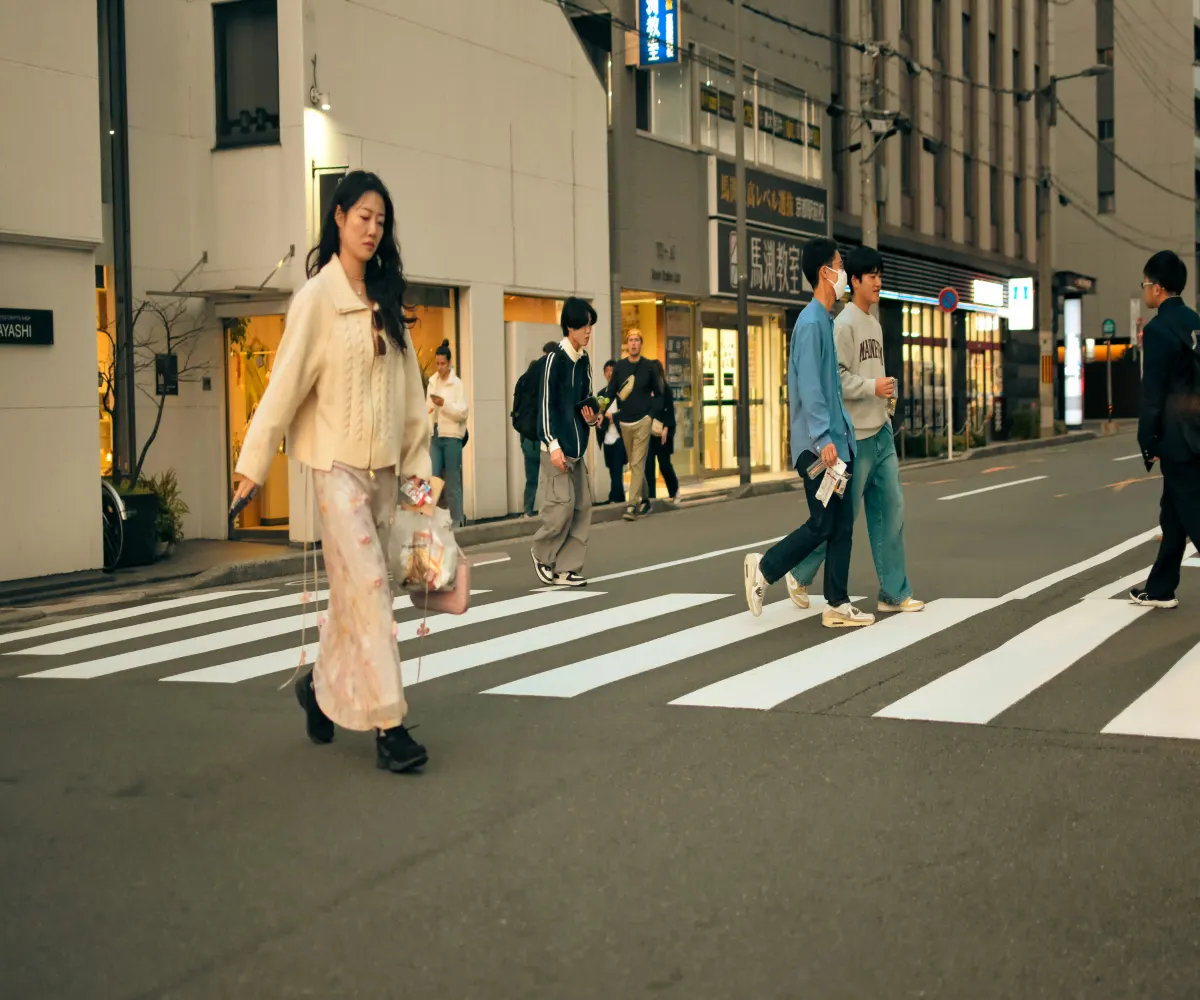
Fashion trends in 2026 reflect how Generation Z continues to reshape clothing, style, and consumption patterns. Rather than following short-term aesthetics, Gen Z fashion trends increasingly emerge from cultural behavior, digital influence, and changing attitudes toward identity and sustainability. In the United States and across global markets, Generation Z approaches fashion as a flexible system shaped by comfort, values, and self-expression.
Unlike traditional fashion cycles driven by seasonal collections, gen z fashion trends 2026 develop through social platforms, peer communities, and lifestyle shifts. These trends are less about uniform adoption and more about adaptable ideas that can be personalized. Understanding gen z trends 2026 therefore requires examining how cultural priorities influence what young people wear, why they wear it, and how those choices evolve over time.
Table of Contents
What Defines Gen Z Fashion Trends in 2026?
Gen Z fashion trends in 2026 are defined by longevity rather than novelty. While visual styles continue to change, the underlying principles guiding Generation Z fashion remain consistent.
Fashion as a System Rather Than a Trend Cycle
For Generation Z, fashion trends are not isolated moments. Clothing choices reflect ongoing preferences for comfort, inclusivity, and versatility. Rather than replacing wardrobes each season, Gen Z adapts existing pieces to fit new contexts, reinforcing sustainability and individuality.
The Role of Cultural and Digital Influence
Digital environments remain central to how gen z fashion trends form. Trends gain momentum through shared experiences rather than top-down promotion. As a result, trends in 2026 are shaped by participation rather than imitation.
How Gen Z Fashion Trends Are Evolving Compared to Previous Years
Looking at gen z trends 2026 in context shows a gradual evolution rather than abrupt change.
From Visual Trends to Lifestyle-Driven Fashion
Earlier Gen Z fashion cycles emphasized recognizable aesthetics. In 2026, trends increasingly reflect lifestyle needs, such as remote work, hybrid education, and social flexibility. Clothing that transitions easily between settings continues to gain popularity.
Reduced Emphasis on Rapid Trend Turnover
Trend fatigue has led many Gen Z consumers to prioritize repeat wear and adaptable styling. This shift supports slower trend adoption and longer relevance cycles.
Key Gen Z Fashion Trends Gaining Momentum in 2026
Rather than focusing on isolated items, gen z fashion trends 2026 can be understood through broader style movements.
Relaxed Silhouettes and Functional Design
Comfort remains a defining feature of Gen Z clothing trends. Relaxed fits, flexible fabrics, and functional layering are increasingly common. These designs support daily movement while maintaining visual balance.
Elevated Casual and Everyday Wear
Casual clothing continues to evolve in 2026. Instead of purely athletic aesthetics, elevated casual wear blends structured elements with relaxed silhouettes, allowing outfits to function across multiple social settings.
Continued Popularity of Oversized and Layered Styles
Oversized clothing remains relevant, not as a novelty but as a practical design choice. Layering supports seasonal adaptability and personal styling preferences.
Sustainability as a Long-Term Gen Z Fashion Trend
Sustainability is no longer treated as a separate category within gen z fashion trends 2026.
Ethical Production and Material Awareness
Generation Z increasingly considers how clothing is made. Brands that communicate clearly about materials, sourcing, and labor practices align more closely with Gen Z expectations.
Second-Hand, Vintage, and Circular Fashion Growth
Resale platforms and vintage shopping continue to expand globally. These channels allow Gen Z to participate in fashion trends while reducing environmental impact.
Gen Z Fashion Trends in 2026 Across the United States and Globally
While trends originate locally, digital exposure allows gen z fashion trends to move across borders quickly.
United States as a Trend Amplifier
The U.S. remains a major contributor to Gen Z fashion trends due to its cultural diversity and strong digital presence. However, trends often evolve through global reinterpretation.
Regional Adaptation and Global Influence
International Gen Z communities adapt trends based on climate, culture, and access. This creates multiple versions of the same trend rather than a single dominant style.
How Technology Shapes Gen Z Fashion Trends in 2026
Technology continues to influence how trends are discovered, adopted, and adapted.
Digital Discovery and Trend Validation
Social platforms function as discovery engines, but validation increasingly comes from peer interaction rather than influencer authority alone.
Virtual Identity and Fashion Experimentation
Digital spaces allow Gen Z to experiment with style concepts before applying them in physical wardrobes. This experimentation influences long-term fashion preferences.
Gender-Neutral and Inclusive Fashion Trends
Inclusivity remains a foundational principle in gen z fashion trends 2026.
Blurring Traditional Gender Categories
Many Gen Z clothing trends emphasize versatility rather than gender classification. This supports broader adoption and personalization.
Focus on Fit and Function Over Labels
Clothing is increasingly evaluated based on comfort and adaptability rather than predefined categories.
How Gen Z Uses Fashion Trends to Express Identity
Fashion trends in 2026 function as tools rather than rules.
Personal Interpretation Over Exact Replication
Gen Z often adapts trends to suit individual preferences. This results in diverse expressions within the same trend framework.
Community-Driven Style Signals
Fashion choices often reflect community belonging rather than mainstream approval. Micro-communities continue to shape localized trend interpretations.
What Brands Need to Understand About Gen Z Fashion Trends in 2026
Brands engaging with Gen Z must align with evolving expectations.
Transparency Over Promotion
Clear communication around values and processes matters more than aggressive trend marketing.
Long-Term Relevance Over Short-Term Hype
Trends that align with Gen Z lifestyles tend to maintain relevance longer than visually extreme designs.
The Future Direction of Gen Z Fashion Beyond 2026
Looking ahead, Gen Z fashion trends suggest continued emphasis on adaptability.
Trend Evolution Instead of Replacement
Future trends are likely to evolve from existing styles rather than replacing them entirely.
Fashion as a Reflection of Social Change
As cultural conversations continue to evolve, fashion remains a visible reflection of broader generational priorities.
Frequently Asked Questions About Gen Z Fashion Trends in 2026
What are the main Gen Z fashion trends in 2026?
Gen Z fashion trends in 2026 focus on comfort, adaptability, sustainability, and personal expression rather than strict seasonal styles.
How are Gen Z fashion trends different from previous years?
Trends in 2026 emphasize longevity and lifestyle relevance, moving away from rapid trend turnover.
Are Gen Z fashion trends in 2026 global or region-specific?
While many trends emerge in the United States, they are adapted globally based on regional culture and climate.
Why is sustainability important in Gen Z fashion trends?
Sustainability aligns with Generation Z values around environmental responsibility and mindful consumption.
How does technology influence Gen Z fashion trends?
Technology shapes discovery, experimentation, and community interaction, influencing how trends form and spread.
Will Gen Z fashion trends continue to change rapidly?
Visual elements may change, but core principles such as comfort and inclusivity are likely to remain stable.
Final Takeaway
Gen Z fashion trends in 2026 represent an evolution rather than a disruption. As Generation Z continues to influence global fashion, trends increasingly reflect long-term values, lifestyle needs, and cultural awareness. Understanding these trends provides insight not only into what Gen Z wears, but why those choices matter in shaping the future of fashion.