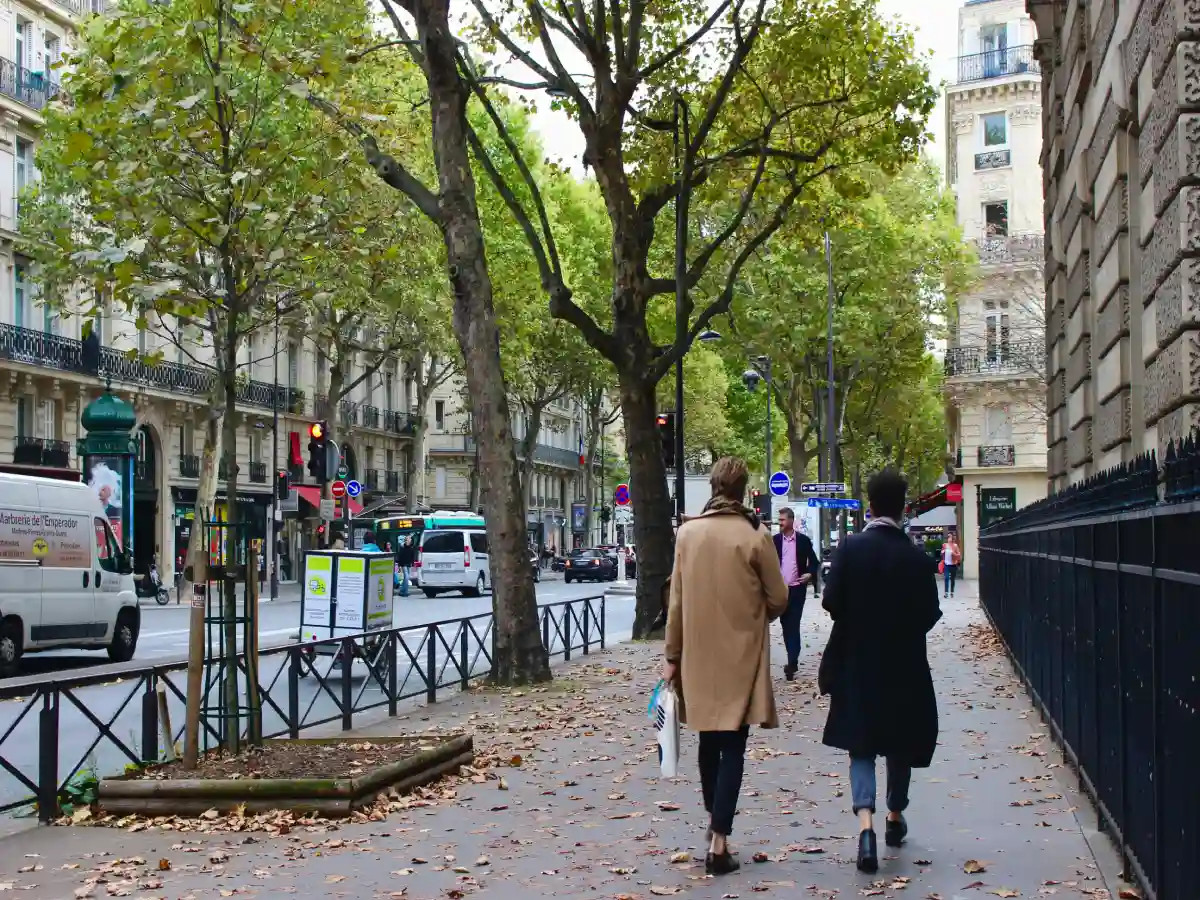
Street style has become one of the most influential forces shaping Gen Z fashion in the United States and around the world. Unlike traditional fashion systems driven by designers, seasonal collections, or luxury brands, street style emerges organically from everyday environments. It reflects how people dress in real life, influenced by urban culture, social context, and personal identity rather than formal fashion rules.
For Generation Z, street style is not a subcategory of fashion but a primary reference point. Gen Z outfits are often built around comfort, individuality, and cultural relevance, making street style a central component of how this generation defines and communicates style. Understanding street style gen z fashion therefore requires examining urban spaces, digital platforms, and cultural movements together rather than isolating clothing trends alone.
Table of Contents
What Is Street Style in the Context of Gen Z Fashion?
Street style traditionally refers to clothing choices observed in public spaces rather than curated fashion environments. For Gen Z, the meaning of street style has expanded beyond physical streets to include digital spaces where everyday outfits are shared and reinterpreted.
Street Style as Everyday Fashion Expression
In Gen Z fashion, street style represents how people actually dress for school, work, social activities, and daily routines. These outfits are practical, adaptable, and often layered to suit different environments. Gen z outfits seen in street settings typically combine casual basics with expressive elements such as accessories, graphics, or distinctive silhouettes.
How Gen Z Redefines Traditional Streetwear
Earlier streetwear movements were often linked to specific subcultures such as skateboarding or hip-hop. Gen Z street style builds on these foundations but does not limit itself to one cultural reference. Instead, it blends influences freely, allowing individuals to construct unique looks that reflect both personal taste and shared cultural cues.
Physical Streets and Digital Streets
For Generation Z, street style exists simultaneously offline and online. Urban neighborhoods, campuses, and public transit remain sources of inspiration, but social media platforms extend street style visibility globally. This dual environment allows trends to form quickly while remaining grounded in real-world usage.
Why Street Style Plays a Central Role in Gen Z Fashion
Street style resonates with Gen Z because it aligns closely with their values, lifestyles, and social behaviors.
Comfort and Practicality as Style Priorities
Comfort is a defining factor in gen z fashion. Street style outfits often include relaxed fits, soft fabrics, and functional layers that accommodate long days and diverse activities. This practicality does not reduce style value; instead, it enhances authenticity.
Individuality Over Uniform Trends
Rather than following a single dominant trend, Gen Z favors personal variation. Street style gen z fashion encourages experimentation, allowing individuals to reinterpret shared ideas rather than replicate identical looks. This supports a culture where originality is valued over conformity.
Cultural Relevance and Accessibility
Street style is accessible. It does not require exclusive access to luxury brands or high-cost items. Thrifted clothing, affordable basics, and repurposed garments all play a role in gen z outfits, making street style inclusive across economic backgrounds.
Urban Culture as the Foundation of Gen Z Street Style
Urban environments influence Gen Z fashion through music, art, social interaction, and public space design.
Cities as Cultural Intersections
Major cities serve as cultural intersections where diverse communities coexist. These environments expose Gen Z to a wide range of visual styles and social influences. Urban street style reflects this diversity through mixed aesthetics, layered looks, and hybrid clothing choices.
Public Spaces and Visual Inspiration
Public transportation, cafes, campuses, and community spaces all contribute to how street style evolves. Observing others in shared environments allows gen z fashion trends to develop organically through repetition and adaptation.
Regional Variation Within Global Influence
While street style has global reach, regional differences remain significant. Street style gen z fashion in the United States may differ from interpretations seen in Europe or Asia, but shared digital platforms allow cross-pollination of ideas without erasing local identity.
Key Elements of Gen Z Street Style Outfits
Although Gen Z street style resists rigid definitions, certain elements appear consistently across outfits.
Relaxed Silhouettes and Layering
Oversized tops, loose trousers, hoodies, and jackets are common in gen z outfits. Layering allows flexibility and self-expression while supporting comfort and functionality.
Casual Footwear and Practical Accessories
Sneakers, casual boots, and everyday bags dominate street style footwear choices. Accessories such as hats, backpacks, and simple jewelry add individuality without overwhelming the outfit.
Mixing Old and New Clothing
Street style gen z fashion often blends vintage items with modern basics. This mix supports sustainability while creating visual contrast that distinguishes individual outfits.
The Influence of Music and Subcultures on Street Style
Music remains a powerful influence on Gen Z street fashion, shaping aesthetics and attitudes.
Hip-Hop, Rap, and Streetwear Foundations
Hip-hop culture continues to influence street style through relaxed fits, graphic elements, and bold accessories. These influences are adapted rather than copied, allowing Gen Z to reinterpret established aesthetics.
Alternative, Indie, and Electronic Influences
Beyond mainstream genres, alternative and indie music scenes influence gen z outfits through minimalist layers, neutral tones, and understated accessories. These styles coexist alongside more expressive looks.
Subcultures Without Rigid Boundaries
Gen Z often draws inspiration from multiple subcultures simultaneously. This fluidity allows street style to evolve without being confined to specific labels or movements.
Social Media and the Globalization of Gen Z Street Style
Digital platforms play a critical role in how street style spreads and evolves.
From Local Streets to Global Visibility
Social media enables local street style to reach global audiences instantly. An outfit worn in one city can influence gen z fashion worldwide within hours.
Peer Influence Over Traditional Authority
Rather than following designers or celebrities exclusively, Gen Z often looks to peers and community creators for inspiration. This peer-driven influence reinforces authenticity and relatability.
Trend Formation and Short Life Cycles
Street style trends can emerge quickly through repeated exposure online. However, Gen Z also moves on rapidly, favoring continuous experimentation over long-term adherence to specific looks.
Street Style, Sustainability, and Conscious Fashion
Street style gen z fashion aligns closely with sustainable values.
Thrift Culture and Second-Hand Clothing
Second-hand shopping is normalized within Gen Z street style. Thrifted items contribute to unique outfits while reducing environmental impact.
Rewearing and Restyling Clothing
Street style encourages creative reuse. Rewearing items in different combinations supports sustainability and personal expression simultaneously.
Ethical Awareness in Urban Fashion Choices
Many Gen Z consumers consider brand ethics and production practices when selecting clothing, especially within street style contexts where authenticity matters.
How Gen Z Builds Street Style Outfits in Everyday Life
Street style outfits are shaped by routine, environment, and personal priorities.
Adapting Outfits to Daily Activities
Gen z outfits are designed to transition between settings such as school, work, and social gatherings. Versatility is a key consideration in street style choices.
Balancing Trends With Personal Comfort
While Gen Z remains aware of trends, comfort often determines final outfit decisions. Street style allows trends to be interpreted in ways that suit individual needs.
Using Clothing to Signal Belonging and Identity
Street style functions as a social signal, communicating interests, values, or community affiliations without explicit statements.
The Impact of Gen Z Street Style on the Fashion Industry
Street style influences how brands design, market, and distribute clothing.
From Runways to Real Life Inspiration
Fashion brands increasingly observe street style to understand consumer preferences. Gen Z street fashion often informs product development more than traditional runway trends.
Rise of Community-Driven Fashion Labels
Smaller brands and independent designers benefit from street style exposure through digital platforms. This shifts influence away from centralized fashion authorities.
Long-Term Shifts Toward Casualization
Street style gen z fashion contributes to broader industry shifts toward casual, flexible clothing across multiple contexts, including workwear and formal settings.
Street Style as a Reflection of Gen Z Values
Street style is closely linked to Generation Z’s broader worldview.
Authenticity and Self-Expression
Gen Z values authenticity over perfection. Street style reflects real-life usage rather than curated ideals, reinforcing trust and relatability.
Inclusivity and Representation
Street style environments showcase a wide range of body types, identities, and backgrounds, aligning with Gen Z’s emphasis on inclusivity.
Adaptability in a Changing World
Street style reflects adaptability, allowing individuals to adjust their appearance in response to social, economic, and cultural changes.
The Future of Street Style in Gen Z Fashion
Street style is likely to remain central to Gen Z fashion as the generation continues to shape cultural norms.
Continued Blending of Physical and Digital Influence
As digital environments evolve, street style will increasingly reflect both physical experiences and online identity.
Emphasis on Longevity and Flexibility
Future gen z outfits may focus more on versatile pieces that support long-term use rather than short-lived trends.
Street Style as Ongoing Cultural Documentation
Street style serves as a visual record of generational values, capturing how Gen Z navigates identity, community, and self-expression through clothing.
FAQs (Search Intent Completion)
What does street style mean in Gen Z fashion?
Street style in Gen Z fashion refers to everyday clothing choices shaped by urban culture, personal identity, and real-life use rather than formal fashion trends or designer influence.
How does street style influence Gen Z outfits?
Street style influences gen z outfits by prioritizing comfort, individuality, and adaptability, allowing trends to be interpreted through personal context.
Why is street style important to Generation Z?
Street style aligns with Generation Z’s values of authenticity, accessibility, and self-expression, making it a natural foundation for their fashion choices.
Is street style the same as streetwear for Gen Z?
While related, street style is broader than streetwear. Street style includes diverse influences and outfit choices beyond specific streetwear categories.
How does social media affect Gen Z street fashion?
Social media expands street style visibility globally, enabling rapid trend sharing while maintaining peer-driven authenticity.
Will street style remain relevant in future Gen Z fashion trends?
Street style is expected to remain relevant as it reflects real-life behavior, cultural change, and evolving personal expression rather than fixed fashion cycles.
Final Note
Street style is not a passing trend within Gen Z fashion. It represents a foundational approach to clothing shaped by urban environments, digital culture, and evolving social values. As Generation Z continues to influence the fashion landscape, street style will remain a key lens for understanding how modern outfits are formed, worn, and redefined.